Madrid is not Spain’s most obvious dream. It has no sea, no single postcard that explains it in one glance, no soft coastal shortcut to desire. Its appeal builds differently. It gathers force through movement, conversation, work, food, heat, museums, offices, parks, rooftops and streets that seem to get more awake as the day gets older.
The central promise of living in Madrid is momentum. The city makes life feel active. Not always easy, not always quiet, but awake.
People come here when they want things to happen. Careers move here. Companies open offices here. Students become professionals here. Founders look for capital, clients and talent here. Families look for schools, stability and a major European city that still feels socially warm. International professionals relocating to Madrid often discover that the city is not simply bigger than other Spanish options. It is more connected to decisions, institutions and opportunity.
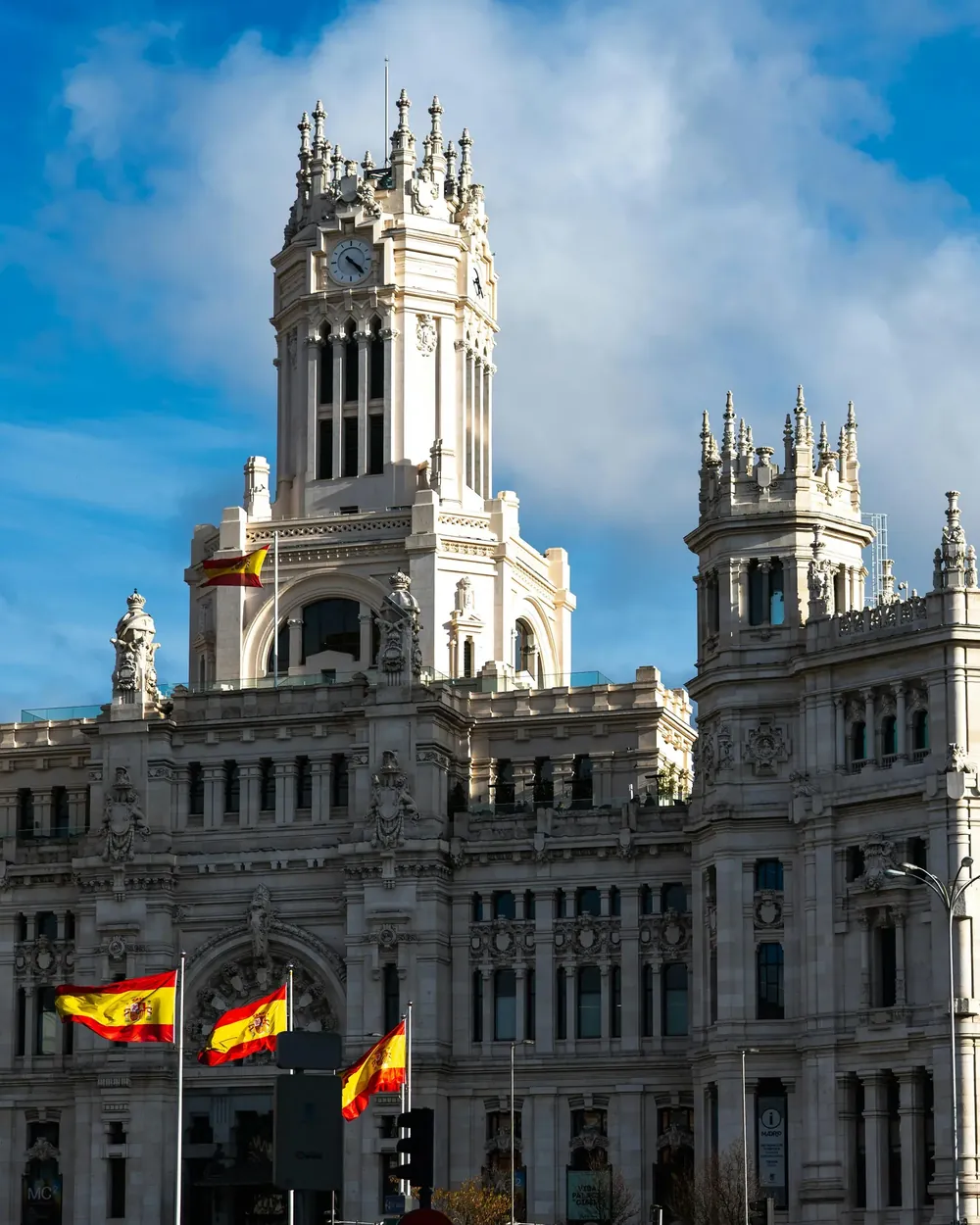
Madrid is a capital in the practical sense. Government, finance, law, media, real estate, consulting, education, culture and corporate headquarters all leave their mark. For someone moving to Spain with professional ambition, that matters. Madrid can turn a relocation into a network faster than most cities, provided you are willing to show up, speak, learn and participate.
The city is also more human than its scale suggests. It is grand, but not icy. Wide boulevards and formal facades sit beside old taverns, packed markets, small neighbourhood bars, family-run restaurants and plazas where people stand longer than planned. Madrid has a social generosity that can surprise newcomers. It is possible to arrive for work and stay because ordinary evenings begin to feel unusually full.
The Madrid neighbourhoods tell you what kind of intensity you want.
Salamanca is polished, expensive and controlled, with luxury shops, elegant apartment buildings and a sense of established urban confidence. It suits people who want Madrid with order and prestige. Chamberí is more lived-in and quietly desirable, a district of classic streets, local restaurants, schools, offices and residential comfort. It feels less like a display and more like a mature city habit.
Malasaña still carries the memory of rebellion and nightlife, though it is now mixed with boutiques, brunch, creative work and the compromises that come with popularity. Chueca is identity, restaurants, nightlife and openness woven into the centre. La Latina keeps old Madrid close to the surface, especially on Sundays, when the city seems to move from market to bar to terrace without needing a formal plan. Retiro offers a calmer, greener kind of central life, shaped by the park and by people who want culture close but not always at their door.
Further north, Chamartín, El Viso and surrounding districts speak to another Madrid: business, families, schools, larger homes, transport links and long-term planning. They may not have the romance of the historic centre, but for many people living in Madrid, they are where the city becomes sustainable.
That is Madrid’s strength. It lets you choose your level of exposure. You can live close to the cultural and social charge of the centre, or you can build a calmer base and still reach restaurants, offices, museums and clients quickly. The city gives range.
For property buyers, Madrid has a different logic from coastal Spain. It is less dependent on seasonal mood and more connected to long-term urban demand. Students, professionals, families, companies, investors and institutions all keep the market serious. That does not make it simple. The cost of living in Madrid, financing requirements, neighbourhood differences and legal checks need careful attention. But the underlying reason people want to be here is not fragile.
For entrepreneurs and professionals, the advantage is proximity. To clients, banks, lawyers, advisors, regulators, partners and other people trying to build something. Madrid is not always soft. It can be competitive, expensive in the best areas and impatient with people waiting for opportunity to arrive politely. But if you bring energy, the city tends to respond.
The absence of the sea changes the emotional structure of the place. Madrid does not offer the immediate release of a coastal city. Instead it gives parks, terraces, mountains within reach, long lunches, neighbourhood rituals and a kind of urban sociability that stretches deep into the evening. The Retiro on a Sunday morning, a vermouth in Chamberí, a late dinner near Salesas, a winter walk under a sharp blue sky: these are not substitutes for the coast. They are Madrid’s own version of abundance.
Moving to Madrid works best when the practical setup is strong from the beginning. Work status, housing strategy, banking, health insurance, tax position, registration, schools, commuting and long-term goals all shape the route. The city offers many doors, but it helps to know which ones matter before you arrive.
Madrid creates a life for people who want Spain to feel expansive. It suits those who want professional movement without giving up warmth, culture and a deeply social daily rhythm. It is less about escape than acceleration.
Choose Madrid if you want the capital’s reach and the feeling that your next chapter has room to grow. The city will not slow itself down to make the decision easy. But if you are ready for its pace, Madrid can make life feel larger almost immediately.