Málaga used to be easy to underestimate. For many people, it was the airport before the Costa del Sol, the practical arrival point before Marbella, Nerja, Fuengirola or a rented villa somewhere warmer than home. The city itself was present, but not always the main event.
That has changed. Málaga is now one of the clearest examples in Spain of a place where lifestyle has become strategy.
The appeal of moving to Málaga still begins with the obvious things: light, climate, sea, terraces, walkable streets, an airport with strong European connections and a sense that outdoor life lasts longer here. But the deeper story is more interesting. Málaga has turned warmth into a platform for culture, technology, property demand, remote work, tourism, international living and a more ambitious version of southern city life.
This is not a small coastal town pretending to be a city. It is a city that has learned how to use its coast without being reduced to it.
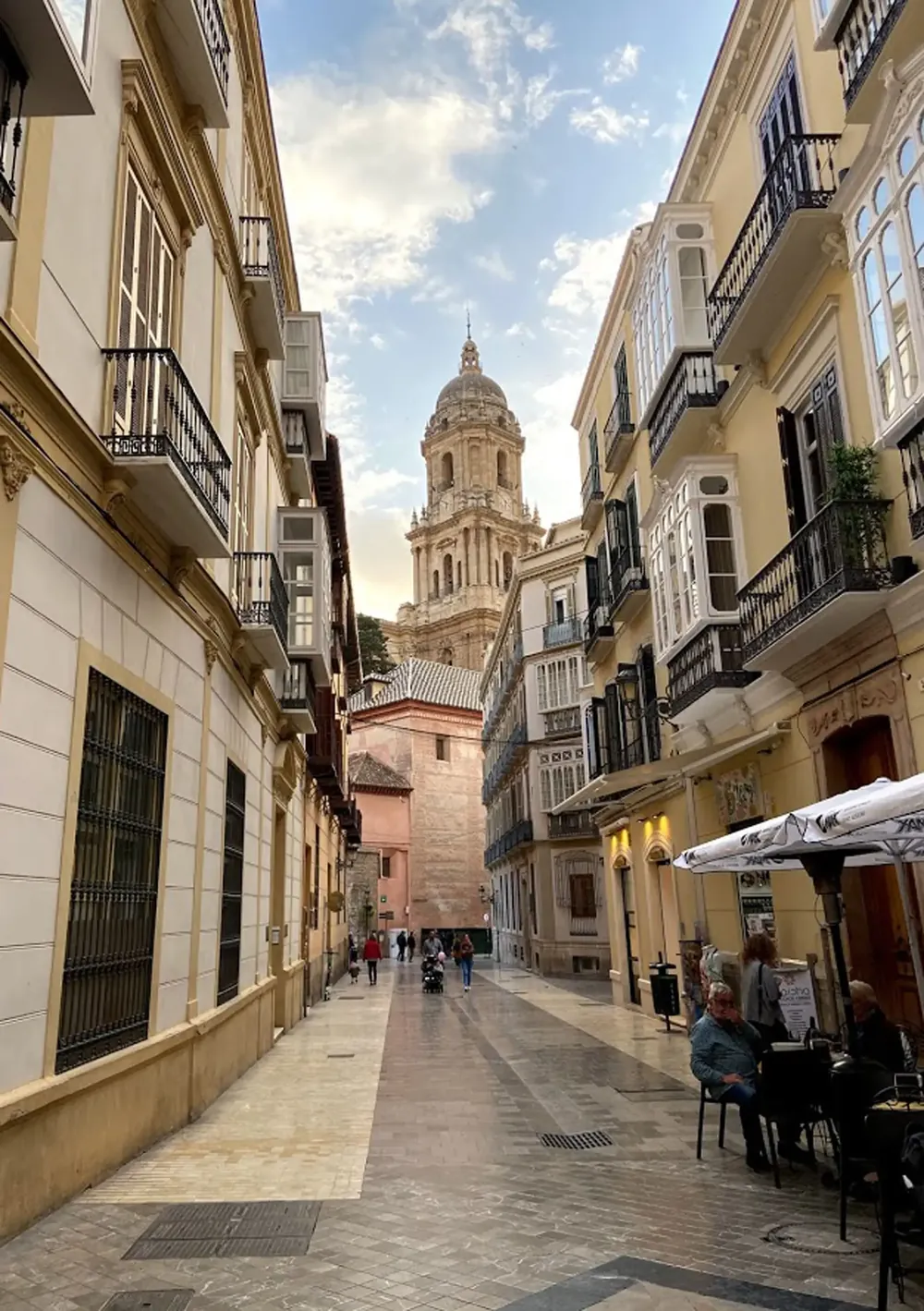
The historic centre is compact, social and increasingly polished, with renovated streets, museums, restaurants, rooftop bars, apartments and a constant movement of visitors and locals. That popularity brings energy, but also pressure. Living in the centre can be beautiful and convenient, yet it can also mean noise, tourism and a housing market that no longer feels casual. Málaga rewards people who know the difference between visiting a place and living in it.
Soho gives the city a more urban, creative note, shaped by murals, galleries, cultural spaces and a slightly looser rhythm near the port. La Malagueta offers the direct pull of the sea, with the beach close enough to become part of the week rather than a weekend plan. Pedregalejo and El Palo carry a more residential coastal identity: old fishing neighbourhood memory, beach restaurants, families, morning walks and a softer pace that still feels connected to the city. El Limonar is established, green and quieter, with a more affluent residential character. Teatinos is younger, practical and modern, tied to the university, families, new housing and everyday infrastructure rather than postcard atmosphere.
Those Málaga neighbourhoods matter because the city attracts many different kinds of movers. A remote worker looking for cafés, community and walkability may want a different Málaga from a family looking for schools and space. A retiree may value healthcare access and calm. A buyer may be weighing city property against the wider Costa del Sol. An entrepreneur may be looking at Málaga’s tech ecosystem and wondering whether southern Spain can also be a serious base.
Increasingly, the answer is yes, with nuance.
Málaga has invested in culture and modern urban life. The Picasso Museum, Centre Pompidou, Carmen Thyssen Museum and the wider cultural calendar have helped shift the city’s reputation. Technology companies and international professionals have added another layer. Coworking spaces, boutique hotels, restaurants, modern apartments and property conversations followed. The result is a city with Andalusian warmth and a more global sense of direction.
That combination makes relocating to Málaga attractive for people who want opportunity without giving up climate and ease. It also makes the practical side more important. The cost of living in Málaga has risen in desirable areas. Housing demand can be intense. Property decisions need legal checks, financing clarity and a realistic view of rental potential. Tax position, banking, health insurance, residency steps, work status and family needs should not be handled as disconnected tasks.
Málaga is especially interesting because many people who look here are not making one simple move. They may be thinking about buying property, protecting capital, working remotely, retiring, investing, building a business or creating a base that family and friends can visit. Lifestyle, finance and legal structure often overlap. If those pieces are considered in the wrong order, the dream can become confusing. If they are arranged well, Málaga can feel unusually coherent.
The city also has a social warmth that is difficult to quantify. Evenings soften the streets. People gather outside long after office hours. The sea appears between buildings. A normal day can include work, sunlight, a walk, a good meal and enough human contact to make life feel less compressed. Málaga expat life is visible, but the city remains Andalusian in its habits, language, food and relationship with time.
There are trade-offs. Summer can be intense. Tourism changes the centre. The most desirable homes are competitive. Some people arrive expecting endless ease and discover that a popular city by the sea requires planning. But those realities do not weaken Málaga’s appeal. They make it more serious.
Málaga creates a life for people who want southern Spain without stepping out of the future. It is not only a place to slow down, although it can do that beautifully. It is a place to build a warmer version of ambition: property, work, family, investment, creativity, retirement or a daily rhythm with more light around it.
Choose Málaga if you want the south to feel open, connected and full of possibility. The city is still rising, and the people who thrive here are usually the ones who understand both sides of its promise: the warmth that draws you in, and the structure needed to make it last.