Most cities ask people to choose. Career or lifestyle. Culture or calm. International opportunity or daily beauty. Barcelona keeps trying, sometimes brilliantly and sometimes messily, to hold those things together.
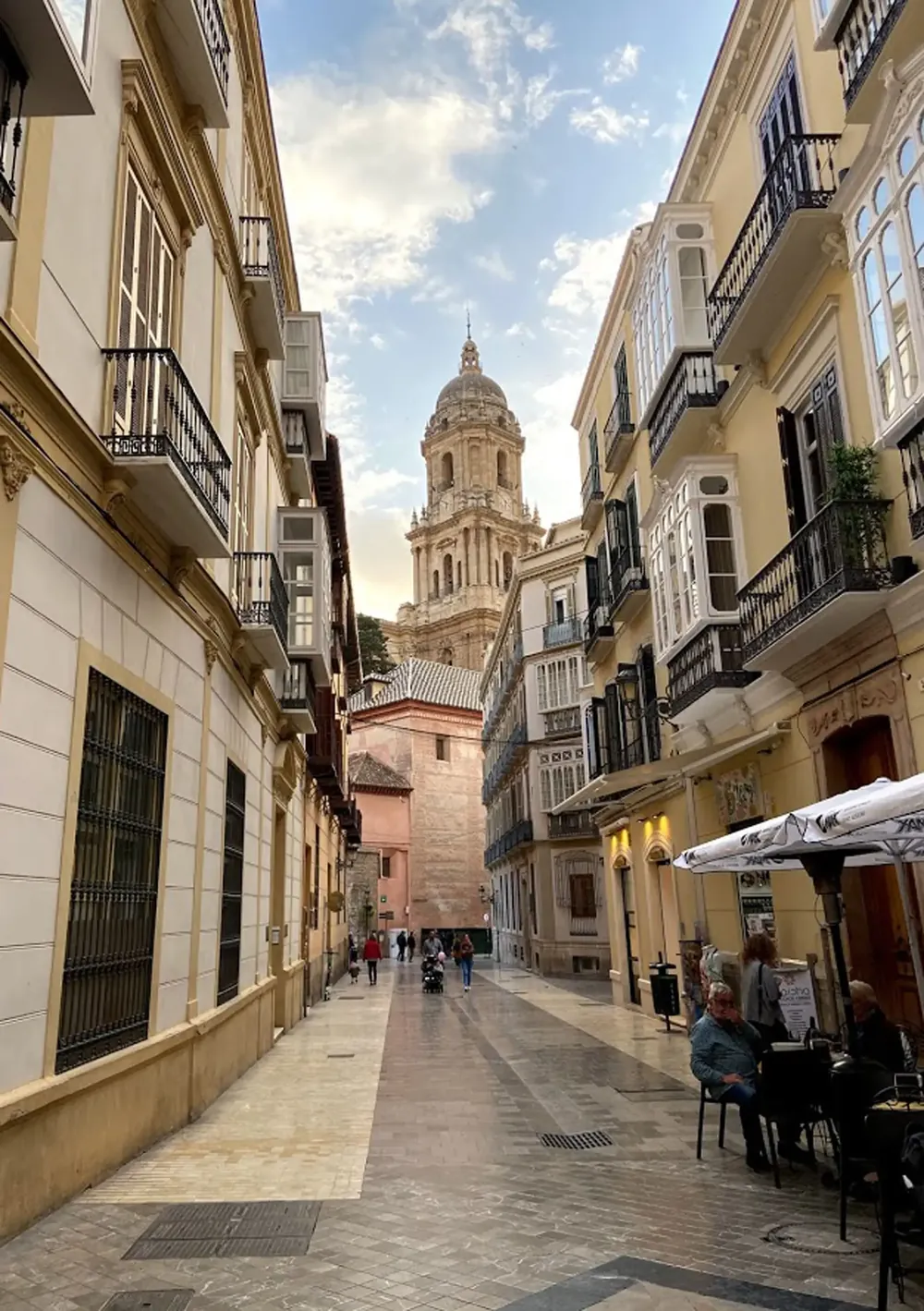
That is the real appeal of moving to Barcelona. It is not only the sea, the architecture or the promise of late dinners under warm light. It is the feeling that professional ambition does not have to be separated from the texture of a good day. A meeting can end near Passeig de Gràcia and a walk home can pass a modernist facade, a fruit stall, a school run, a terrace already filling for vermouth and the blue line of the Mediterranean somewhere beyond the grid.
Barcelona is one of Spain’s great international cities, but it is not an anonymous one. It has its own language, its own civic habits, its own design intelligence and its own tension between local life and global demand. That tension matters. Living in Barcelona can feel inspiring, but it can also feel competitive. Housing is pressured, popular areas move quickly, and the best version of the city rarely appears to people who arrive casually and hope the practical details will solve themselves.
The city rewards a more deliberate kind of relocation. If you are relocating to Barcelona for work, business, family, study, property or a more flexible life, the question is not simply whether Barcelona is attractive. It obviously is. The better question is which Barcelona you are actually choosing.
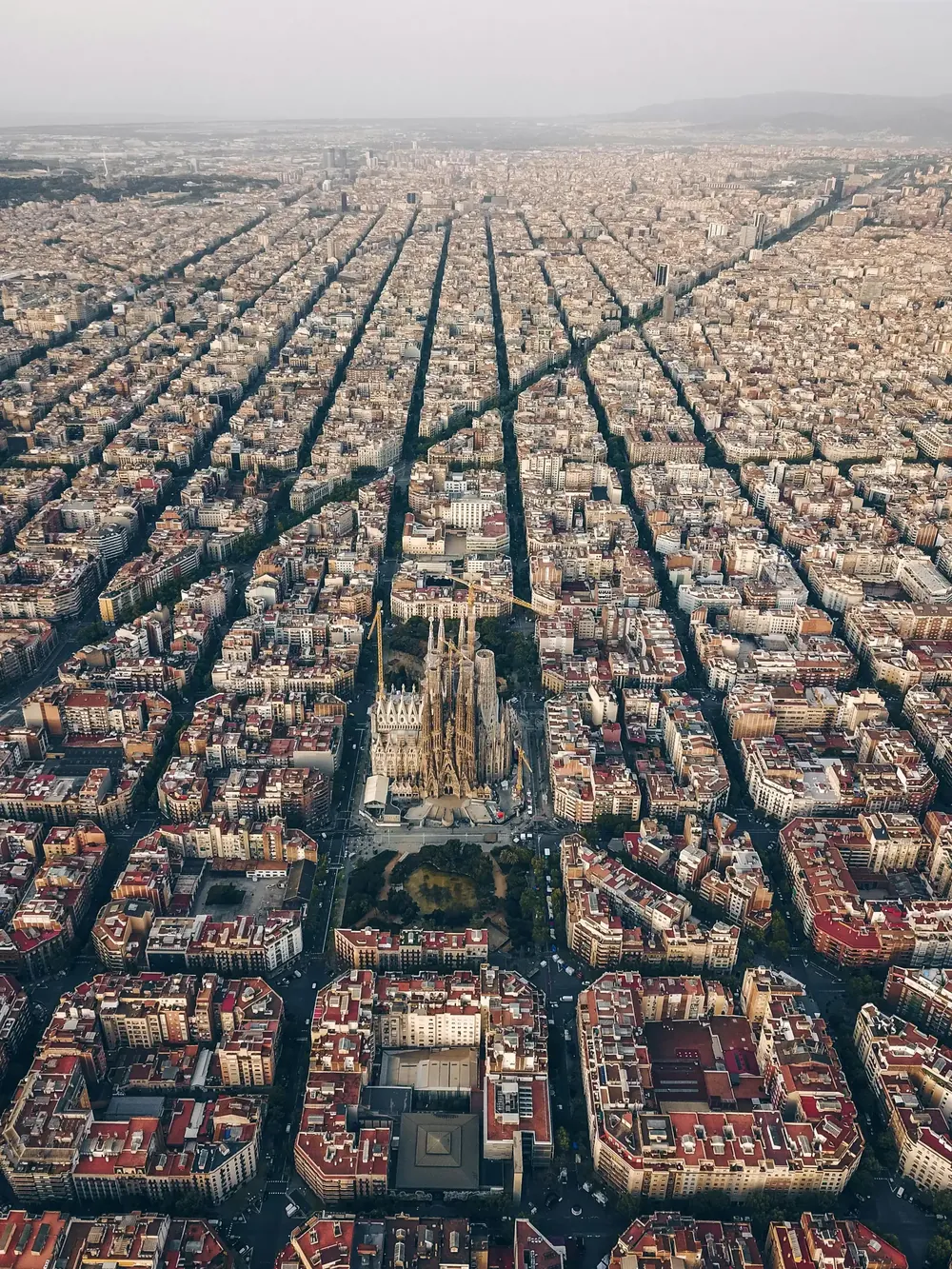
Eixample is the easiest place to understand from above and one of the most satisfying from the street. Its grid gives order to the city, but its corners soften into cafés, florists, pharmacies, galleries and apartment entrances with tiled floors and heavy doors. It is central, elegant and practical, especially for people who want structure and access.
Gràcia is not just “local and charming”. It is a former village that still behaves like one in small ways: squares where children play while adults talk, narrow streets that resist the speed of the city, independent shops, neighbourhood politics, summer festa decorations and a rhythm that feels proudly self-contained. It suits people who want Barcelona expat life without living only inside the expat version of the city.
Poblenou is where Barcelona’s industrial memory has been edited into something more contemporary. Old warehouses, design studios, tech offices, coworking spaces, family apartments and beach mornings sit close together. It can feel unfinished in places, but that is part of its character. It is the neighbourhood for people who like a city still being made.
Sarrià and Sant Gervasi offer another Barcelona entirely: higher, greener, more residential, more discreet. They are less cinematic for a weekend visitor and often more compelling for families or people thinking long term. El Born and the Gothic Quarter carry the atmospheric weight of the old city, but they also demand tolerance for density, tourism and late-night movement. Barceloneta gives access to the sea, but the romance of that access needs to be weighed against noise, compact housing and seasonal pressure.
This is why Barcelona neighbourhoods matter so much. They do not simply change your address. They change your relationship with the city.
For founders, designers, consultants, remote workers and international professionals, Barcelona offers a rare mixture of visibility and softness. There are stronger capitals for pure corporate scale, but few cities where a serious work life can sit so naturally beside architecture, food, cycling, language learning, beach walks, schools, culture and a social life that often happens outdoors. The city has become a magnet for people who can choose where they live and do not want that choice to feel like a compromise.
For families, Barcelona offers parks, schools, culture and urban independence, but planning matters. School choice, commute patterns, rental availability, health cover, tax position and registration steps should be considered together, not as separate errands. For buyers, Barcelona has emotional and long-term demand, but the cost of living in Barcelona and the price of desirable property require clear priorities from the start.
The beauty of Barcelona can make people move too quickly. That is one of the quiet risks. The city is good at making a future feel visible before the structure underneath it is ready. A terrace in Gràcia, a Saturday in Poblenou or a walk through Eixample can make the decision feel obvious. The practical route still needs discipline: work status, banking, insurance, housing, legal checks, tax planning, school questions and timing.
Handled well, those practical choices do not diminish the dream. They protect it.
Barcelona is for people who want their life in Spain to feel connected to the wider world without giving up a strong sense of place. It is for people who want beauty, but not stillness. Opportunity, but not a life spent only indoors. Mediterranean light, but with enough friction to keep the city interesting.
Choose Barcelona if you are willing to be specific about what you want. The city is generous, but not simple. It offers many versions of itself, and the right one can make the move feel less like an escape and more like a well-chosen expansion of your life.