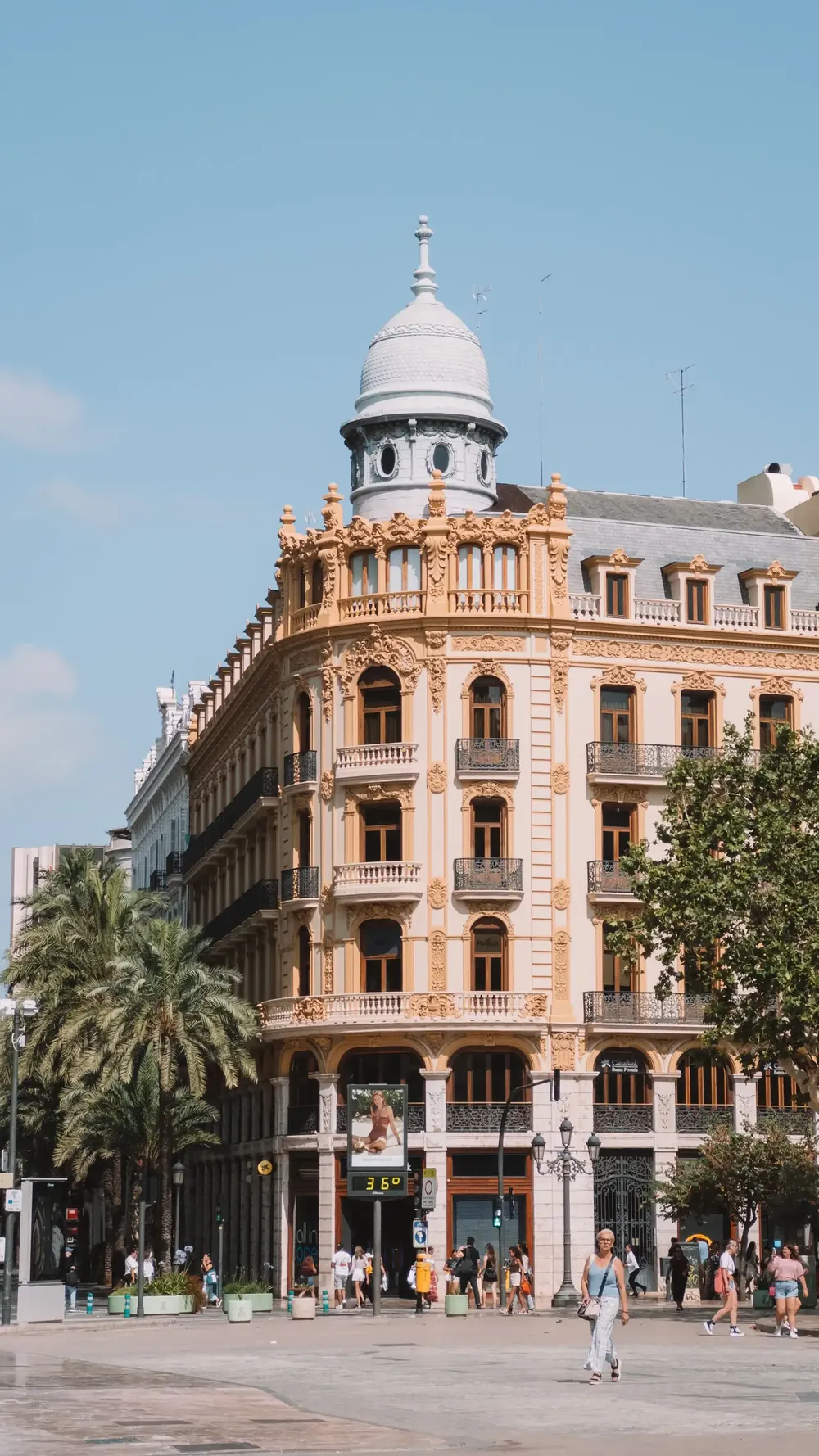
Valencia does not need to overwhelm you to convince you. Its strength is quieter than Barcelona’s and less forceful than Madrid’s. It works through proportion: enough city to feel alive, enough sea to change the air, enough space to breathe, enough culture to stay interesting and enough practicality to make a move to Spain feel possible rather than theoretical.
That is the central promise of living in Valencia. It makes daily life feel better arranged.
For many people moving to Valencia, the attraction begins with balance. The city has beaches, but it is not only a beach city. It has a historic centre, but it does not feel preserved only for visitors. It has startups, universities, families, international residents, markets, bike lanes, restaurants, schools and green space, yet it remains more manageable than Spain’s largest cities. The cost of living in Valencia can still feel more approachable than Madrid or Barcelona, although the city’s growing popularity means the best homes and neighbourhoods are no longer hidden bargains.
Valencia is not a sleepy alternative. That would underestimate it. It is a city with its own intelligence, shaped by trade, design, agriculture, festivals, food, climate and a civic relationship with public space. The Turia Gardens, the former riverbed turned into a long green spine through the city, may be the clearest example. It does not simply provide a park. It changes how people move, exercise, meet, commute and think about the city.
A normal week in Valencia can include work calls, school runs, a cycle through the Turia, groceries at the market, lunch built around rice, a beach walk without needing to make it an event and an evening in a neighbourhood bar that feels local without being closed to newcomers. The city makes the ordinary easier to imagine. For relocation, that matters more than people first realise.
The Valencia neighbourhoods each offer a different relationship with that everyday rhythm.
Ruzafa is the most talked-about for good reason, but its real character is not just “creative”. It is a district of cafés, restaurants, galleries, small shops, old apartment buildings, young families, designers, weekend brunches, late dinners and the occasional reminder that popularity brings noise and pressure. It suits people who want energy within walking distance.
El Carmen is older, narrower and more irregular. It carries the texture of the historic city: medieval walls, late-night streets, courtyards, tourist routes, bars, quiet corners and sudden architectural surprises. It can be atmospheric and inconvenient in the same afternoon, which is exactly why it needs the right kind of resident.
Ensanche and Pla del Remei feel more elegant and composed, with boutiques, offices, restaurants and central convenience. Benimaclet has a younger, student-friendly and locally rooted rhythm, with an edge that feels more lived-in than polished. Patacona and the coastal areas offer morning light, sea air and a slower start to the day, although living near the beach is different from occasionally visiting it. Campanar, Extramurs and other residential zones can be more practical for families and people who value access, space and routine over postcard charm.
This is why moving to Valencia works best when lifestyle and logistics are considered together. A beach-facing dream may not suit a daily commute. A beautiful old-town apartment may not be the best answer for a family. A cheaper area may cost more in time. The right choice depends on how you actually plan to live.
Valencia’s appeal is especially strong for remote workers, families, students, entrepreneurs and retirees who want quality of life without withdrawing from city life. It gives enough international community to make entry easier, but it still encourages you toward Spanish routines, Valencian culture and local habits. Valencia expat life can be warm and accessible, but the city becomes richer when you do not treat it as a generic Mediterranean base.
For property buyers, Valencia sits in a compelling but more complex position than it did a few years ago. International attention has grown, lifestyle demand is strong and certain neighbourhoods move quickly. There is still value compared with Spain’s largest markets, but clarity matters: budget, legal checks, mortgage possibilities, rental rules, intended use, neighbourhood fit and long-term plans should be mapped before emotion takes over.
The city also asks for a realistic view of pace. Valencia is calmer than Madrid or Barcelona, but bureaucracy, housing searches, school decisions, banking, insurance and tax questions still need coordination. The relaxed atmosphere can tempt people to delay the practical work. A good move does the opposite: it arranges the essentials so the calm becomes real, not just imagined.
Valencia creates a life for people who want Spain to feel liveable from the start. It is not about escaping ambition, nor about chasing the biggest city. It is about designing a week that feels healthier, lighter and more human without giving up access to work, culture and community.
Choose Valencia if your ideal move is not a dramatic reinvention, but a better proportioned life. The city is at its best when it becomes part of your routine: the park, the market, the school gate, the sea nearby, the evening light and the feeling that ordinary days have finally been given enough room.